
What Makes A Wine Iconic?
Reviews! – Cayuse, Method Oregon, Abacela, Fairsing, Wine of the Week

The unveiling of the Obama Presidential Center has set off an ongoing debate about its architectural design. Reportedly the former President told the design firm he wanted it to be a monumental, vertical structure that would stand out as an ‘iconic’ landmark. The firm selected is known for the opposite approach – subtle, understated, low-rise buildings that blend into their surroundings. Whatever your feelings about the building, it’s clearly monumental. In fact critics have dubbed it the ‘Obamalisk’ with reference to the Stanley Kubrick classic “2001 - A Space Odyssey”
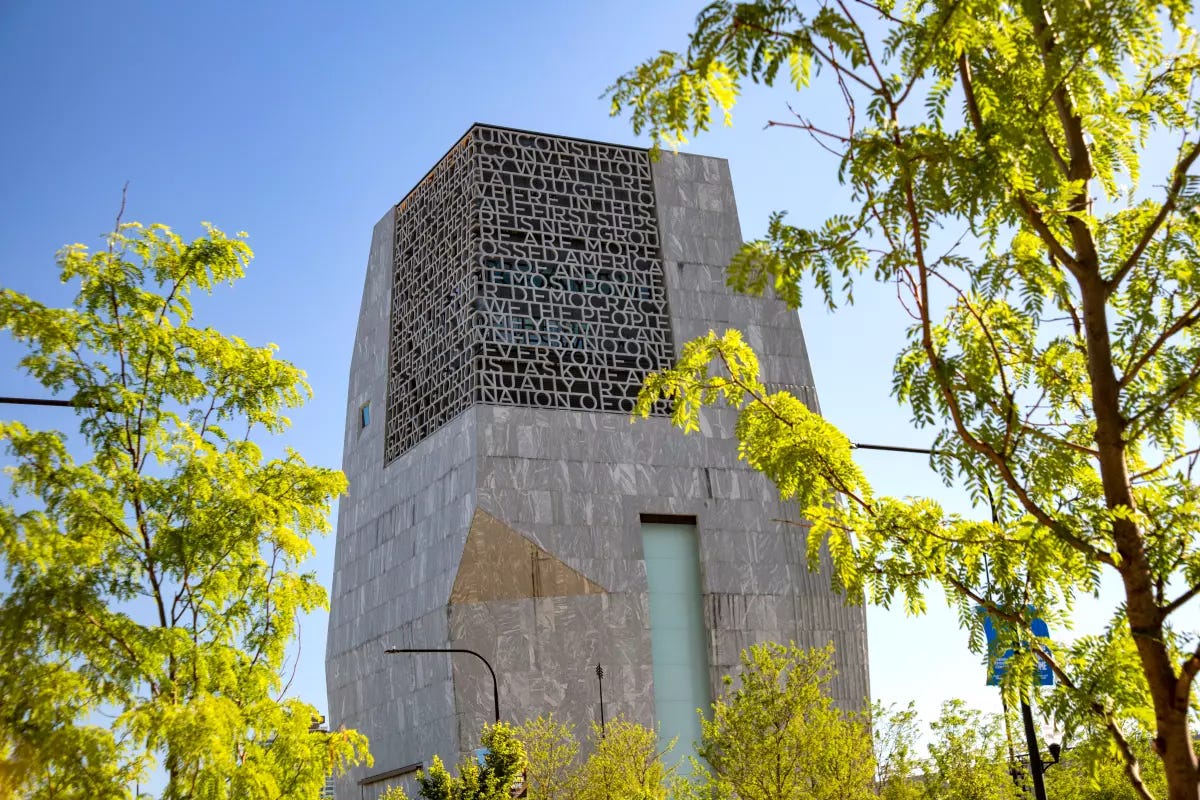
I bring this up because the use of the word iconic led me to thinking about wines, specifically wines that might be considered to be iconic. Some years ago I wrote about ‘Cult Wines’, a buzzword that precedes iconic by a few decades. Back then the term was mostly applied to Parker-endorsed, high-scoring, collectible California wines, along with DRC and other almost-unobtainable Burgundies, the Bordeaux first growths and a handful of Right Bank superstars.
At that time the Wikipedia entry for California cult wines identified them as “typically but not exclusively Napa Valley Cabernets for which collectors, investors and highly enthusiastic consumers will pay very high prices.” (Remember when there were “highly enthusiastic consumers”? Where did they go?) Wikipedia went on to list about a dozen examples of cult wines, describing them as “generally very expensive and... limited production (often fewer than 600 cases per year).”
In other words, I wrote at the time, “you and I can’t afford them, and even if we could, we can’t find them. Which raises the question – should there be a new model for cult wines? A model that preserves the most desirable attributes of those we already know and love (or hate), and eliminates the least desirable. In other words, keep the requirements for rarity, high scores and buzz. But lose the absurd prices, and while we’re at it, drop the alcohol levels a bit and substitute genuine terroir for 200 percent new French oak barrels.”
That’s not a bad lens for examining today’s superstars, only let’s replace ‘cult’ with ‘iconic’. What might qualify a modern day wine as iconic? “Iconic,” according to merriam-webster.com, “has become part of the language of advertising and publicity: companies and magazines and TV hosts encourage us to think of some consumer item or pop star or show as first-rate or immortal or flawless—absolutely ‘iconic’—when that person or thing is actually simply widely known and—they assert—distinctively excellent.”
OK, but what about wine? If all it takes to be iconic is to be widely known with a dedicated fan base then any mass-production wine brand could qualify. But if we narrow it way down, back toward the definition of a cult wine, it has much more significance.
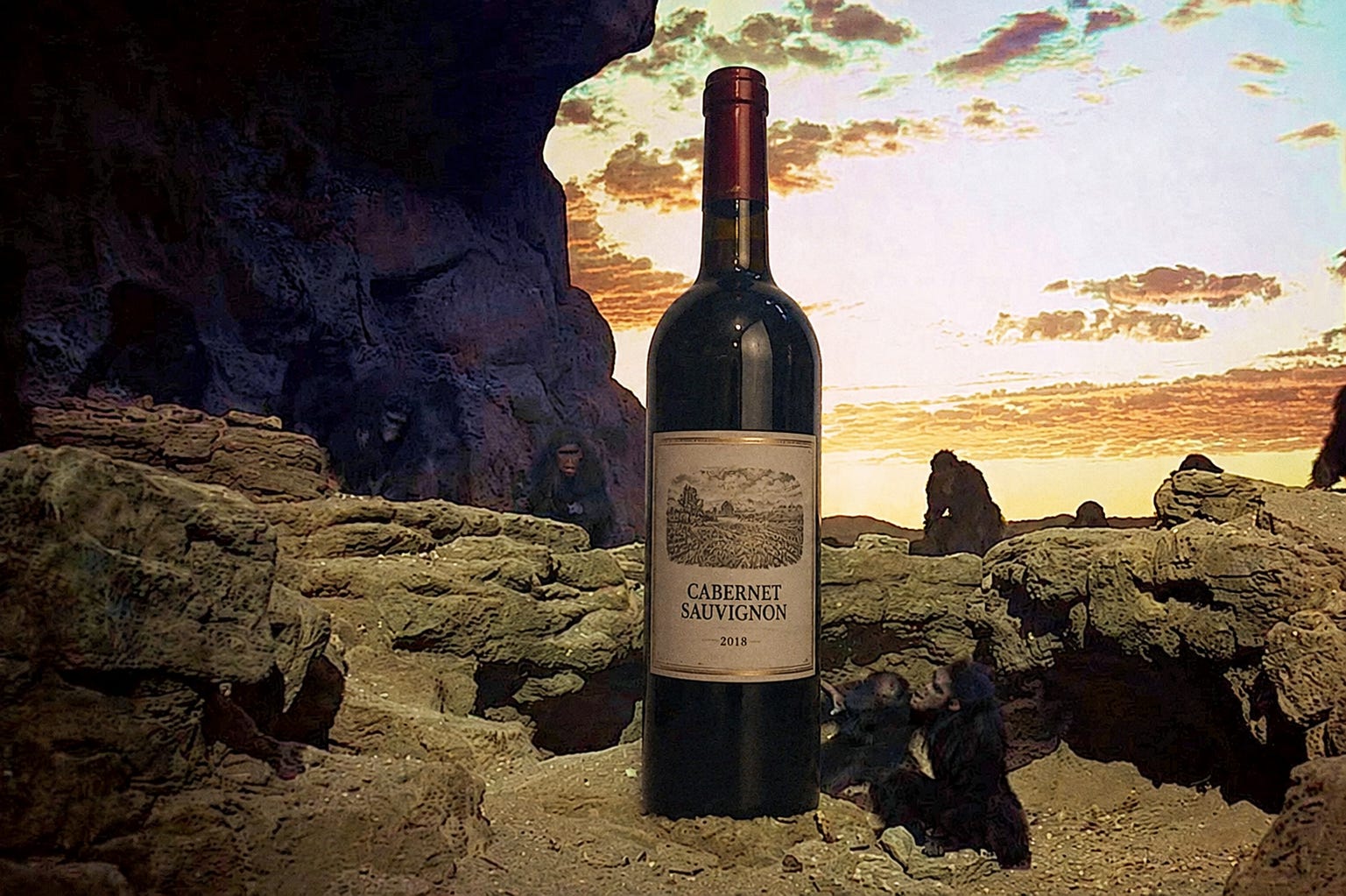
Where an old school cult wine merely needed to be rare, high-scoring and expensive, a modern-day iconic wine should be rare, high-scoring and in some sense monumental. It may or may not be expensive, but it must carve out a unique and influential niche for itself in the vast universe of good, competent, even excellent wines. For me an iconic wine must go beyond excellence into more rarified territory. And it must have an established, proven and repeatable track record, not just a once-in-a-lifetime, never to be equaled bottle or vintage.
I leave it to you to find the wines you feel truly deserve the accolade, if you agree with my proposed guidelines at all. But I’ll offer as a shining example the entire portfolio of Bionic Wines produced by master vigneron Christophe Baron and his team. I’ve covered his efforts from the time he was planting his first vineyard in ‘the Stones’ (his term for The Rocks District). To say the project seemed quixotic is not an overstatement.
While we’re perusing the dictionary here’s a working definition of quixotic – “an idea or action that is extravagantly idealistic, romantic, and visionary, yet foolishly impractical and ungrounded in reality.” That was early Cayuse in a nutshell. And that was just the beginning. Along with digging into acres of cobbles buried up to 15 feet or even more, came the commitment to biodynamic (grab the cowhorns) winemaking, the use of draft horses to plow, the expansion into even less accessible and more unproven terroir. Oh, and establishing an improbably successful marketing program wherein ‘futures’ were sold to a closed mailing list in specified three packs, and no tasting room existed. Forget about any ‘experiential’ opportunities to dine in the caves (there are no caves) or hike the vineyard. In other words, as Cayuse has grown and morphed into Bionic Wines with Cayuse, No Girls, Horsepower and Hors Categorie as distinct entities, no tried-and-true formula has been followed. It’s all trail breaking, risk-taking, and a fair amount of giving the finger to accepted wisdom and established practices.
None of this would make Bionic Wines iconic if the actual wines were not exceptional, unique, ground-breaking and highly influential. Which they are. In recent posts I’ve reviewed the No Girls, Horsepower and Hors Categorie wines. Here is the rest of the portfolio – the foundation – the wines of Cayuse.
Cayuse 2024 Cailloux Vineyard Viognier – Viognier may be the unsung star of the Cayuse portfolio. It thrives in the Rocks (Stones) District, and here is handled with great sensitivity, picked early, fermented and aged in concrete and stainless, and then given an extra year in bottle to pull itself into a seamless whole. There’s a compelling saltiness underlying citrus skin flavors. The acids are firm and the abundant botanical highlights are accented. Dense and detailed, it’s a one wine master class in Viognier. 153 cases; 12.8%; $90 (Walla Walla Valley) 95/100
Cayuse 2024 Armada Vineyard Edith Grenache Rosé – A lovely sunset hue, this is lovely to look at and delicious to drink. Excellent mid-palate concentration with flavors of strawberries and watermelon. It trails out with a light saline note. 163 cases; 12.9%; $55 (Walla Walla Valley) 92/100
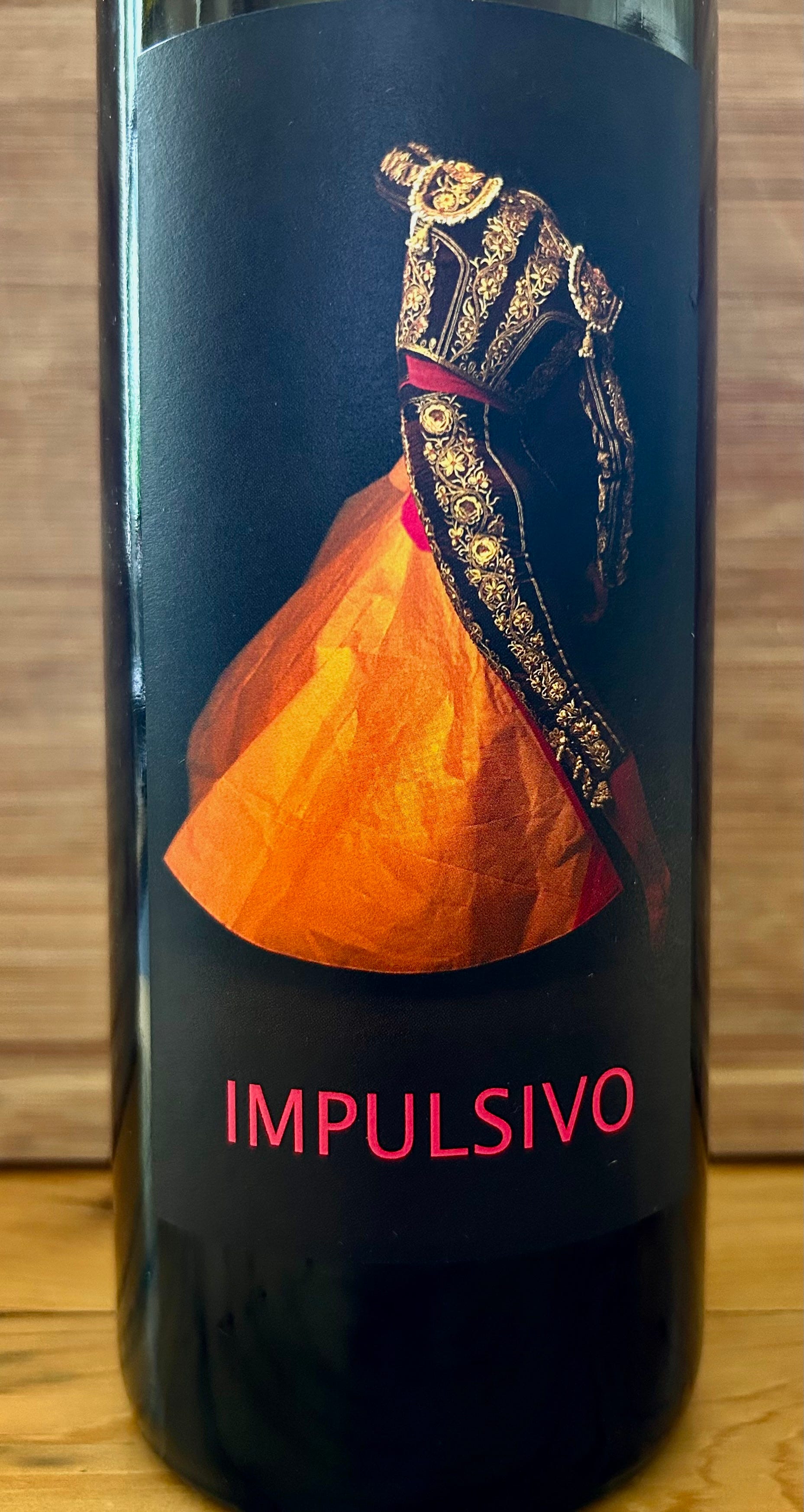
Cayuse 2023 Impulsivo Tempranillo – Sourced from the En Chamberlain vineyard, now a quarter century in the ground, this spent 18 months in 40% new French oak. It’s dense with aromas of toasted walnuts, umami, leather and blackberry pie. Intense and concentrated, it brings sage, espresso, anise, cured meats, marionberry jam and blueberry pie along for the ride down through the finish. Tannins are ripe and full, leaving with tea-like astringency. Start to finish, a splendid Tempranillo. 384 cases; 13.8%; $140 (Walla Walla Valley) 96/100
Cayuse 2023 God Only Knows Armada Vineyard Grenache – The GOK has long been a personal favorite among the Bionic wines. The ’23, due out in the fall, is a touch lighter than the previous vintage, but consistent in terms of the multiverse of flavors it expresses. Planted in 2001, this is from the oldest block of Grenache in the Walla Walla valley, and captures the Rocks District umami characteristics without missing the more subtle details. Cranberries, pepper, chocolate shavings and threads of pipe tobacco get a shout-out, but there’s always more to find when you sit down with a glass of this remarkable wine. 527 cases; 13.5%; $150 (Walla Walla Valley) 97/100
Cayuse 2023 Camaspelo Red – Mostly Cabernet Sauvignon, the rest of the blend is undisclosed, and given 18 months in 30% new oak. This is aromatic, nicely balanced and almost smooth in the mouth, with a mix of brambly blackberries, black cherries, tea bags, tobacco, underbrush and sprinkles of black pepper. If any Cayuse wine is immediately accessible, it’s this one. 387 cases; 13.6%; $130 (Walla Walla Valley) 93/100
Cayuse 2023 The Lovers Red – This is the best vintage of this wine I’ve ever tasted, and I’ve tasted them all. As usual it marries Cabernet Sauvignon to a small percentage of Syrah (note that the tech sheet calls it a Bordeaux blend, which it is not). Possibly it’s a function of the vines reaching a particular stage of maturity, for whatever the reason, the blast of black cherry fruit is a joy to taste. The Syrah helps smooth things out a bit, adds a little pepper, and keeps the tannins tight and focused. Green tea, a hint of tar and graphite, clean earth are all in play. 249 cases; 13.8%; $150 (Walla Walla Valley) 95/100
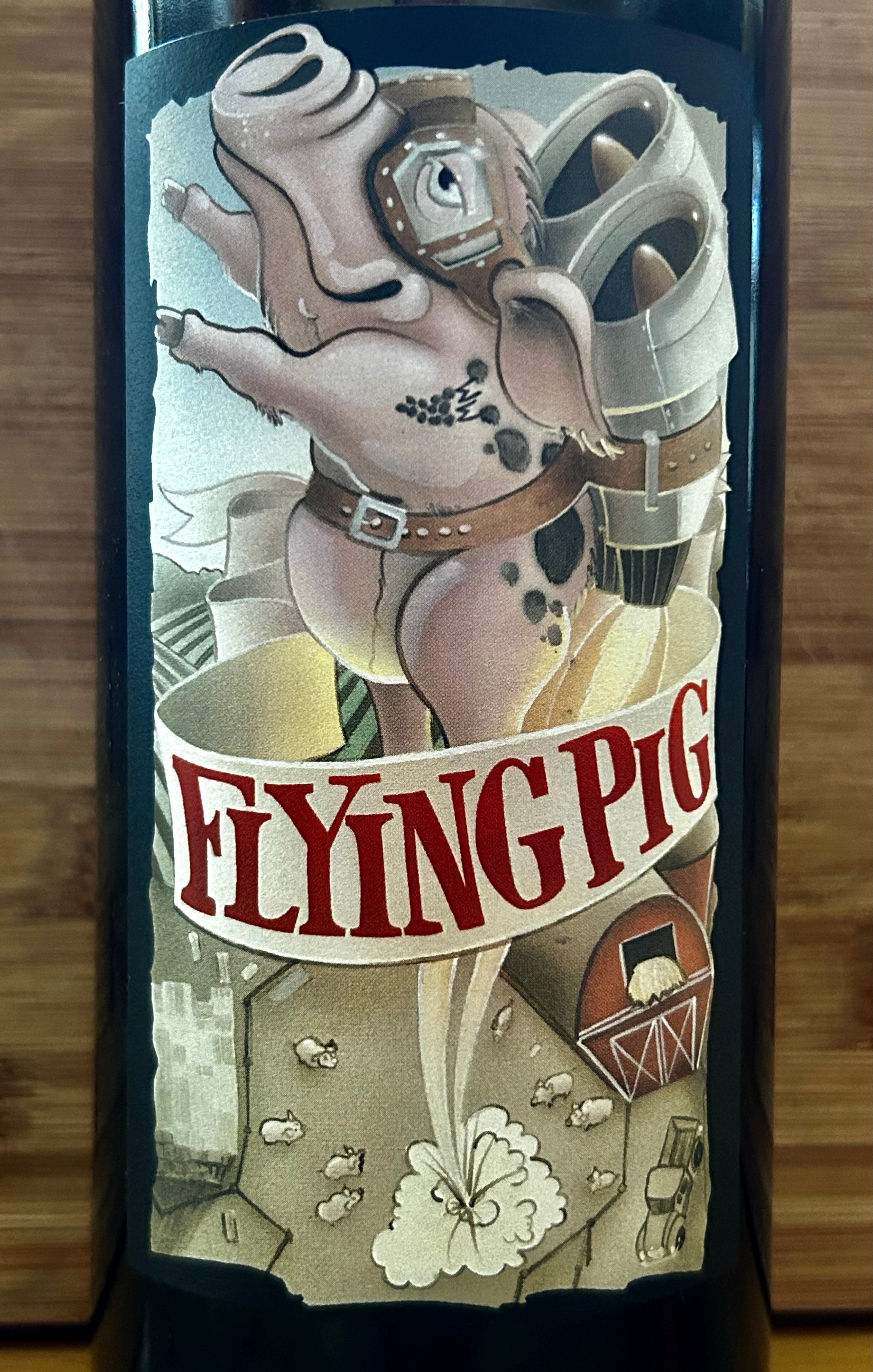
Cayuse 2023 Flying Pig – This is a Right Bank Bordeaux blend, 48% Merlot, 43% Cabernet Franc and 9% Cabernet Sauvignon. As with many of the ‘23s this is more fruit forward, without sacrificing in any way the characteristic ‘funk’ flavors that define the brand. They are still there, but blackberry, marionberry and black cherry flavors are suddenly in the forefront, to a degree I can’t say I’ve ever noticed in past vintages. This is a detailed, sassy, black-fruited wine, streaked with dark chocolate, graphite and minerals. And still delicious three days after first opened. 225 cases; 14.1%; $150 (Walla Walla Valley) 96/100
Cayuse 2023 The Widowmaker Cabernet Sauvignon – All En Chamberlin grapes, this pure varietal wine is unlike any other Cabernet Sauvignon made in America, and probably anywhere in the world. This is the power and unique structure of this wine, now a quarter century down the road. The track record is remarkably consistent, but as the vines age the wines get more detailed, complex and honestly more accessible. This aromatic, herbal, earthy and textured Cab is one that I’ve been especially fond of through many vintages. Here again the fruit is more present, the funk more restrained, the overall balance quite pleasing. Brambly blackberries hold the center, with accents of dark chocolate, forest floor, moss and dried herbs. 315 cases; 14.1%; $150 (Walla Walla Valley) 96/100
Cayuse 2023 Armada Vineyard Syrah – In keeping with the theme of all these 2023 Cayuse Syrahs it’s ‘bring on da fruit!” Blueberries, blackberries, boysenberries, marionberries, every kind of berry but Chuck Berry is bursting out of this bottle. It goes to show you never can tell – I mean, who ever thought Cayuse would put fruit over funk? For my taste this is exactly what the doctor ordered, and I believe that this style will prove more food friendly, just as complex as ever, and clearly keeping the flavor footprint of the Rocks District. Traces of earth and compost and tea and peat trail out gracefully, with a sprinkle of espresso grounds. 620 cases; 13.7%; $140 (Walla Walla Valley) 95/100
Cayuse 2023 Cailloux Vineyard Syrah – This is the original planted vineyard, now 30 years old. The wine is showing some old vine texture and added complexity, nicely woven into the matrix of berries, cherries, peaty soil and lightly astringent, tea leaf tannins. Subtle and elegant (for Cayuse), this seems to mark a change in style toward finesse, with somewhat muted umami ‘funk’ flavors. A captivating wine. 839 cases; 13.5%; $130 (Walla Walla Valley) 96/100
Cayuse 2023 En Cerise Vineyard Syrah – Cerise means cherry and I’ve often sniffed cherries in this wine, long one of my favorites out of the portfolio. At the moment it’s a bit tight, needing more aeration to unpack fully. Black cherry sparkling water, breakfast tea, lemon and berries, light and elegant but with suppressed power. Not due for official release until the fall, it will require decanting. 393 cases; 13.5%; $130 (Walla Walla Valley) 95/100
Cayuse 2023 En Chamberlin Vineyard Syrah – This is the Latour of the lineup – sturdy, bold, blocky, muscular and dense. The aromatics are splendid, with floral top notes, berries galore and a firm, fruit-centric core. There are sufficient acids in place to off-set the tannins while adding a seam of refreshing citrus to frame the finish. Given the center-palate power, this has exceptional potential for aging. It’s worth repeating my note on the ’22 – unpeeling the layers is time-centric: decant, aerate, be patient. This is like your just unpacked memory foam pillow. Give it 24 hours to expand. Actually, three full days after being opened, the 2023 aromatics peaked and the flavors settled into a full, orchestral blend. Wow! 388 cases; 13.5%; $130 (Walla Walla Valley) 98/100
Cayuse 2023 Bionic Frog Syrah – Impenetrably blood black, tightly unyielding, this needs air! It’s a dimension deeper than the rest of the Syrahs, dense and aromatic, with a tight weave of blackberry compote and carpaccio-quality, paper thin beef, details of peppercorn and peat, cut tobacco and bourbon tea. Perfectly textured and powerful, this clearly shows that it’s not high alcohol and ultra ripeness that makes a great Syrah, it’s masterful winemaking and vineyard management. 545 cases; 13.8%; $175 (Walla Walla Valley) 98/100
I’ve written previously about the impressive méthode champenoise sparkling wines from Oregon, and particularly those using Champagne grapes grown in the Willamette Valley. A chance to experience what must be the greatest selection offered in a single tasting to date is coming up next month. The sponsoring organization is Method Oregon, and tickets to the event – Grand Tasting Weekend – are available here.
Back in my newspaper and magazine days, though anchored in the Pacific Northwest, I frequently had the opportunity to explore and review wines from outside the region, including visits to Champagne. So when I taste Oregon sparklers, that use the same grape varieties and follow the same production guidelines, I can offer a fair comparison. In my honest opinion the best Oregon sparkling wines rival many good Champagnes. Great Champagnes are a standard not yet reached, but it’s just a matter of time, especially with climate change hitting France really hard.
You can do a search for recent reviews as I’ve done quite a few this year already. Here are more to consider. Rather than compiling a list of ‘don’t miss’ wines and wineries, which isn’t fair because I haven’t tasted everything from all of them, I’d suggest using my reviews as a starting point. With 50+ wineries pouring at Method Oregon the best approach is to explore and find your own ‘Best of Show’.
Argyle – This founding sparkling wine producer makes a large and diverse portfolio of various single vineyard, Brut, Brut Rosé, Blanc de Blancs, Blanc de Noir and Extended Tirage wines. They recently changed PR firms and sent just two wines with no price or technical information. Not a fair representation of the portfolio, but I’ll post these quick impressions.
Argyle 2022 Knudsen Vineyard Vintage Brut – Foamy, light, crisp and clean. $68? (Willamette Valley) 88/100
Argyle 2021 Spirit Hill Vineyard Blanc de Blancs – Fresh, crisp, apple skin flavors, a tight, biting finish. $68? (Willamette Valley) 90/100
Brooks 2019 Sparkling Riesling – Well made and bone dry, this is like a fine German Sekt only with brighter fruit. Apple, Asian pear, white peach along with wet paper and suggestions of clay. Champagne method, lovely fine bead, length and persistence. 12.5% (Willamette Valley) 92/100
Fairsing 2022 Blanc de Blanc – The first traditional method sparkling wine from Fairsing is a knockout. Crisp apple fruit, hints of grapefruit and lemon pith, a touch of toast from barrel fermentation, and a well-woven palate following another two years aging en tirage ahead of disgorgement. It adds up to a rich, complex, tart but full-bodied sparkling wine which out-performs many steelier blanc de blancs. 173 cases; 12.4%; $75 (Yamhill-Carlton) 94/100
LucidWild 2021 ‘Lust’ Brut – This companion to the 2021 Lust Blanc de Blancs (reviewed last December) is quite different. Where that was 100% estate-grown Chardonnay, this is sourced from three non-estate sites and blends Pinot Noir, Chardonnay and Pinot Meunier. A bright, brilliant gold, it’s got a fine bead, scents of brioche and butter, and a tart mix of pear and apple fruit. Fermented in stainless and aged en tirage for a full three years, it finishes gracefully with touches of ginger and seashell salinity. 400 cases; 12.5%; $155 (Willamette Valley) 93/100
Lundeen – Lundeen’s exceptional lineup of traditional method sparkling wines should not be missed. These are the two most recent releases (search this Substack for other recent reviews).
Lundeen 2018 Late Disgorged La Cantera Vineyard Blanc de Noirs – This spent six years en tirage and another year in bottle following disgorgement. Aromatic, nutty, loaded with caramel apple flavors on a deep and penetrating palate. This goes on and on with superb concentration and length. An Oregon Krug. Michael Lundeen should be batting clean-up on the Oregon sparkling wine all-star team; he hits it out of the park with every new release. 40 cases; 12.5%; $90 (Laurelwood District) 95/100
Lundeen 2022 Brut Rosé – Sourced from three different sites, including the estate’s La Cantera vineyard, this Pinot Noir rosé is a bright copper color, bursting with fine bubbles, elegant, spicy and long. Just one percent of the blend was the dosage of Pinot Meunier from the Tukwilla vineyard, which winemaker Michael Lundeen notes was “remarkable in impact.” Makes me wish I’d been there to taste the before and after in person. I’ve done enough blending to know that 1% can radically alter a finished wine, whether still or sparkling. It speaks to the dedication and attention to detail on display here. Strawberry, a squeeze of lemon, a touch of pineapple, brisk acidity, compelling length and a final kiss of cinnamon elevate this lovely rosé. 70 cases; 12.5%; $60 (Willamette Valley) 94/100
Lytle-Barnett 2019 Brut Rosé Saignée – An 80/20 blend of estate-grown Pinot Noir and Chardonnay, this spent six years en tirage. It’s a coppery gold, the saignée process having resulted in more skin contact – hence color and tannin – than is ordinarily found in sparkling wines. The Pinot Noir was cold-soaked for two days to draw color and flavor prior to fermentation, then pressed at peak extraction. In some ways it emulates French Champagnes that have been cellared for years after release, though it’s fresher than than and has not acquired the deeply nutty flavors of really old Champagnes. Nonetheless an interesting and unique style. 200 cases; 12%; $90 (Eola-Amity Hills) 92/100
Nysa 2019 Blanc de Noir – Given five years en tirage and now another year post-disgorgement this all-estate, all Pinot Noir bubbly is a gem. Comparable to a very limited grower Champagne, this is pure, focused and deep. Flavors of apple, straw, creamy unsalted butter, grapefruit and brioche, this gathers itself in the mid-palate and sings its way through a lingering finish. 70 cases; 11.5%; $85 (Dundee Hills) 94/100
One more outstanding sparkler is my Wine of the Week.
Abacela
Abacela 2025 Grenache Rosé – A pale copper hue, scented with crushed roses and strawberries, this is a mouth-filling rosé with a core of watermelon and strawberries, and even a touch of cantaloupe. In and around that are the grapefruity acids, accenting the crisp freshness of the wine. Give it a good chill and enjoy! 708 cases; 13.9%; $20 (Umpqua Valley) 92/100
Abacela 2022 Barrel Select Tempranillo – Abacela makes four versions of its signature variety, this one a step up from the Fiesta bottling. It’s tart with red currant fruit, sharp acids and blood black, firm and lightly grainy tannins. It closes with smoky charred wood highlights. 518 cases; 14%; $40 (Umpqua Valley) 91/100
Abacela 2021 South West Block Reserve Tempranillo – A step up from the Barrel Select, this gets an extra year of bottle age prior to release. It’s almost impenetrably black, suggesting a lot of time on the skins. It’s both tart and tannic, anchored in firm black cherry fruit, with a tight, compact core that suggests decanting would be advisable. It’s a mouthfilling wine, with ripe tannins dusted with coffee grounds, nicely balanced and built for barbeque and beef. 394 cases; 14.6%; $58 (Umpqua Valley) 93/100
Fairsing Vineyard marked its 20th anniversary in 2025 with a series of celebratory events that reflect both its Celtic heritage and its deep-rooted commitment to sustainability. Fairsing integrates responsible farming practices throughout its high-elevation estate in the Yamhill-Carlton AVA. This milestone year marked the debut of their first sparkling wine – the 2022 Blanc de Blanc (reviewed above).
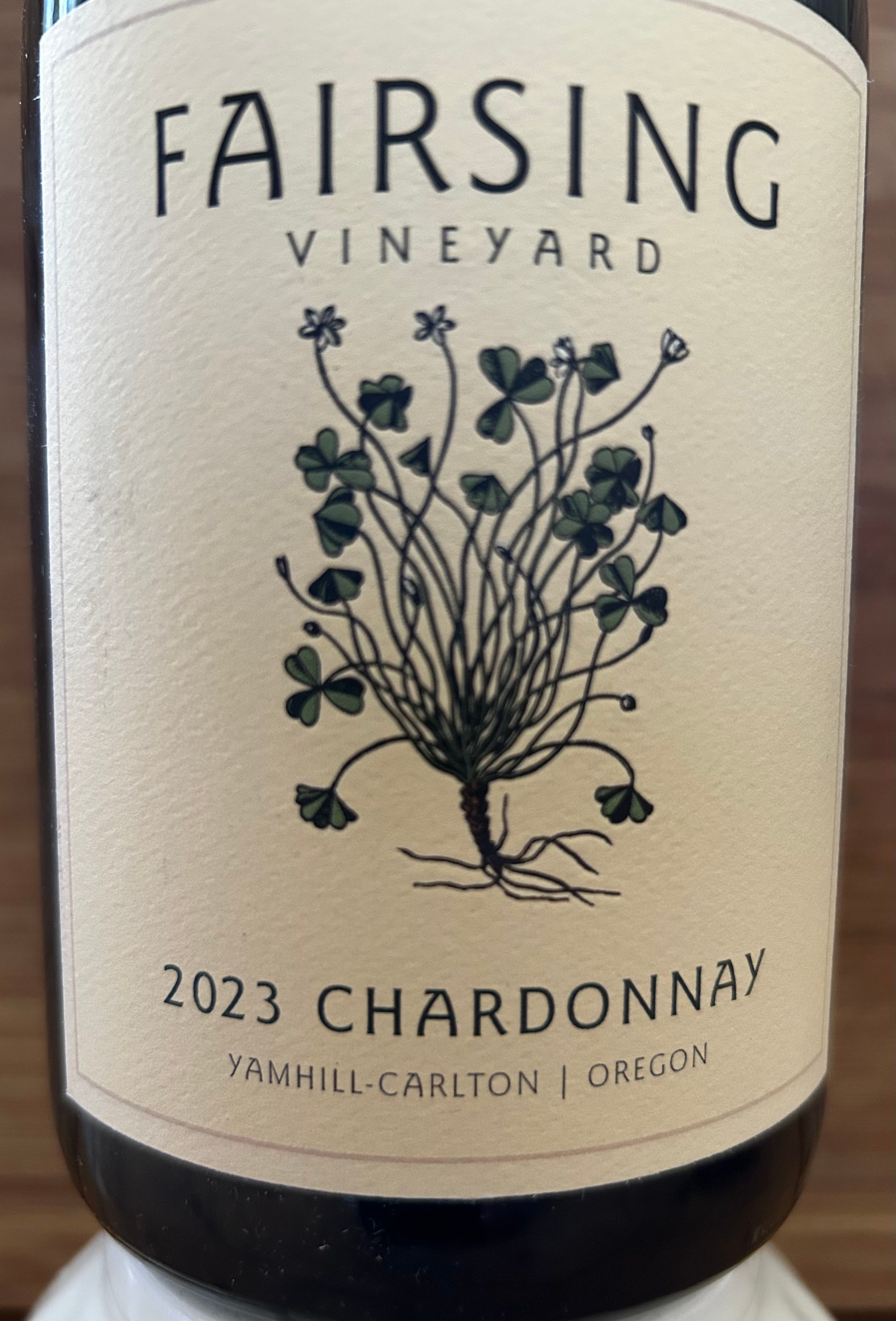
Fairsing 2023 Fairsing Vineyard Chardonnay – Released last year, this has benefitted from extra bottle age and is drinking splendidly. It’s rich and seductive, loaded with ripe pear and apple fruit, accented with apple pie baking spices, and layered with creamy butterscotch. For all that the acidity keeps it lively and fresh. I wouldn’t wait any longer on this wine – it’s drinking like a dream. 558 cases; 13.5%; $50 (Yamhill-Carlton) 95/100
Fairsing 2023 Fairsing Vineyard Pinot Noir – Fine-tuned, textured and polished, this reflects winemaker Robert Brittan’s practiced hand at the helm. Blueberries and marionberries, supple acids adding lift, excellent focus and concentration throughout. One sixth of the barrels were new, and that seems just enough to put some fat in the finish. Long and trailing as it unwinds, this is fine for drinking now and should develop further over the next decade. 550 cases; 14.1%; $52 (Yamhill-Carlton) 94/100
Fairsing 2023 Sullivan Pinot Noir – The Sullivan shows a tart streak with a mix of citrus fruits. It opens into a relatively soft mid-palate with barrel highlights of sandalwood and toasted almonds around raspberry and sour cherry fruit. It feels as though it needs decanting or another year or two in bottle to fully knit together, but all the components are in place and in perfect proportion. 410 cases; 13.7%; $72 (Yamhill-Carlton) 93/100
Fairsing 2023 Dardis Pinot Noir – The Dardis is aged in one third new barrels, but the influence, at least at first, is muted. Re-tasted after a full day it was beginning to open up, so decant aggressively if drinking any time soon. Tart, savory red fruits, a splash of citrus, firm acids and tannins, all in balance. Best drinking probably five years away. 355 cases; 14.1%; $72 (Yamhill-Carlton) 93/100
Fairsing 2023 Kenney Pinot Noir – All of Fairing’s estate Pinot have been well-delineated; each is unique in a different way. Here there is a tight core of blackberry and black cherry fruit rolling into a lush, buttery/creamy mouthfeel that seems almost pillowy. That is followed by a firm finish with tangy acids keeping it fresh and young. It rolls through this interesting mix of flavors, resolving with a note of burnished steel, the creamy feeling gone and replaced with a firm, cellar me now! quality. 294 cases; 13.9%; $72 (Yamhill-Carlton) 93/100
Wine of the Week – This weekly feature is a paid subscriber bonus. The goal is to spotlight the most interesting wine I’ve tasted during the week. Not always the highest scoring, but often a very fine value. Why was it the most interesting? Read on!
Keep reading with a 7-day free trial
Subscribe to Paul Gregutt's Wine Guide to keep reading this post and get 7 days of free access to the full post archives.