
Looking For A Fresh, Unoaked Springtime White Wine? Try Albariño!
Plus: Double Zero Pinots, Brockmeyer, Cimento, Dusky Goose & Whitman Hill

You’ve probably been hearing a lot about the new popularity of Sauvignon Blanc, and it’s well-deserved. From time to time various white wine grapes that are not Chardonnay have their moment in the spotlight. But with climate change well underway, there is more to assess than mere shifts in style and fashion. What can be successfully grown here in the Pacific Northwest AND have widespread consumer appeal?
Albariño (Alvarinho in its native Portugal) answers the call in every way, and my tasting of examples from all corners of the Northwest have convinced me it has a bright future. These wines are aromatic, juicy and acid-driven. They may be fermented in a wide variety of vessels, but rarely see much if any new oak. They are moderate in alcohol, drink nicely with a couple of extra years in bottle, and tick all the boxes for contemporary preferences among wine professionals, chefs and somms and – most importantly – Gens X, Y and Z.
Cesar Maldonado introduced me to his love for the grape in an engaging email last summer. He moved to Oregon in 2019, did cellar work at DDO and Patricia Green, and spent a harvest Rías Baixas, which convinced him that “the terroirs of the western Willamette Valley are tremendously well-suited to the Albariño grape.”
His email may have been the spark that lit my interest in a deeper dive into Northwest Albariño. “Albariño is a variety I have a family history with” Cesar wrote in a follow-up note. “My great-grandfather planted it in Puerto Rico as a nod to his ancestral Spain. I have made a number of visits to Monção, Melgaço and Rías Baixas since 2021, and in 2023 I spent a harvest at Bodegas Granbazán, where I worked as the assistant enologist. Today the Willamette is home to 155+ acres of Albariño, and it is one of the fastest-growing among ‘climate smart’ varieties.”
I reached out to Greg Jones, whose Abacela winery first planted Albariño in 2000 and debuted it in the Pacific Northwest a year later. Along with managing Abacela, Jones is a globally-respected authority on how climate impacts grape growing. He generously shared some insights.
GJ: “I think Albariño is misunderstood in terms of its climate. Galicia is not necessarily cool. The data that I have from the Mission Biologica in Pontevedra shows that is more of cool to intermediate climate, warmer and milder than places like Burgundy, Alsace, etc. The phenology of Albariño in Galica is very similar to our 25-year record at Abacela.
“I also believe that Albariño is more flexible than other coolish climate varieties. In warm years here it performs very well, but in slightly cooler years it also excels. I think the key is where and how it is planted; it does best in our climate on northerly or northeasterly landscapes with moderately wide spacings. We also tend to double cane the vines because they have wide internodes and double caning fills the canopy very well.
“We are bullish on the variety, planting 2.5 acres more this spring and planning for as much as 10 more acres in the next five years. We have also made an Albariño sparkling (Alegria) and a dessert wine (Blanco Dulce) – both very popular in our wine club and at the tasting room.”
PG: Though just emerging as an important variety in the Northwest, my recent tastings provided clear evidence that Albariño can really thrive here, especially in cooler AVAs such as Ancient Lakes and the Columbia Gorge. Note that many more 2025s will be released in the next few weeks. To conserve space I’ve arranged these notes by vintage and kept them quite brief, but these wines are highly recommended.
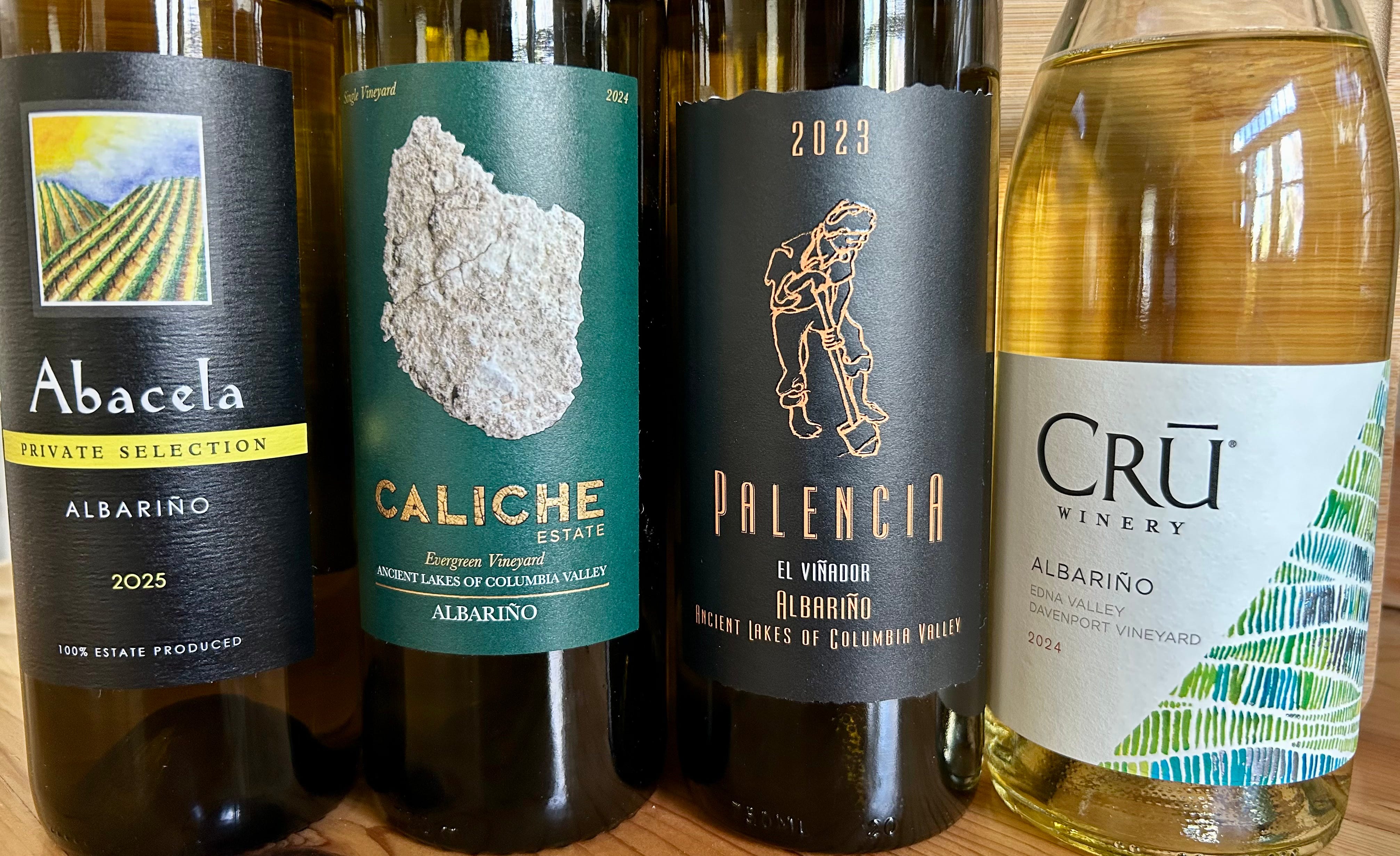
Palencia 2023 El Viñador Albariño – Aromatic, with a nod to Gewurztraminer florality. Lightly spritzy, softened with bottle age, complex with flower, fruit and ginger highlights. 250 cases; 12.9%; $35 (Ancient Lakes) 93/100
Sacred Shore 2023 Albariño – This has a feral quality to it, suggesting wild yeasts at work; a flavor that leaves a funky note hanging in the finish. Lots of acid in this wine, with tart green apple fruit. 225 cases; 13%; $27 (Oregon) 90/100
Wautoma Springs 2023 JMST Vineyard Albariño – A classic iteration, with firm acids, citrus and white peach, good balance. 251 cases; 13.3%; $25 (Columbia Valley) 92/100
Cru 2024 Davenport Vineyard Albariño – The lone California example – pungent, bright, vibrant with citrus and guava fruits. 400 cases; 12.5%; $20 (Edna Valley) 93/100
Evergreen Family 2024 Evergreen Vineyard Caliche Albariño – Neatly captures the fresh green herbs, citrus rind and chalky caliche soils. 2000 cases; 13%; $19 (Ancient Lakes) 93/100
Crayelle 2024 La Viña Reserva Albariño – Clear, crystalline, ice pure wine with compelling minerality. 55 cases; 13%; $38 (Ancient Lakes) 92/100
Eternal 2024 ‘Lust’ Otis Vineyard Albariño – This is fresh, crisp and spicy with a mix of apple, green melon and lime fruits. Vivid acidity and quite stylish. 60 cases; 13%; $35 (Yakima Valley) 92/100
Maypop 2024 Atomic Albariño – This is a sassy, sappy wine with precision and focus. There’s plenty of acid to support the clean green fruit, and hints of white pepper as it trails out. 12 cases; 13%; $42 (Yamhill-Carlton) 92/100
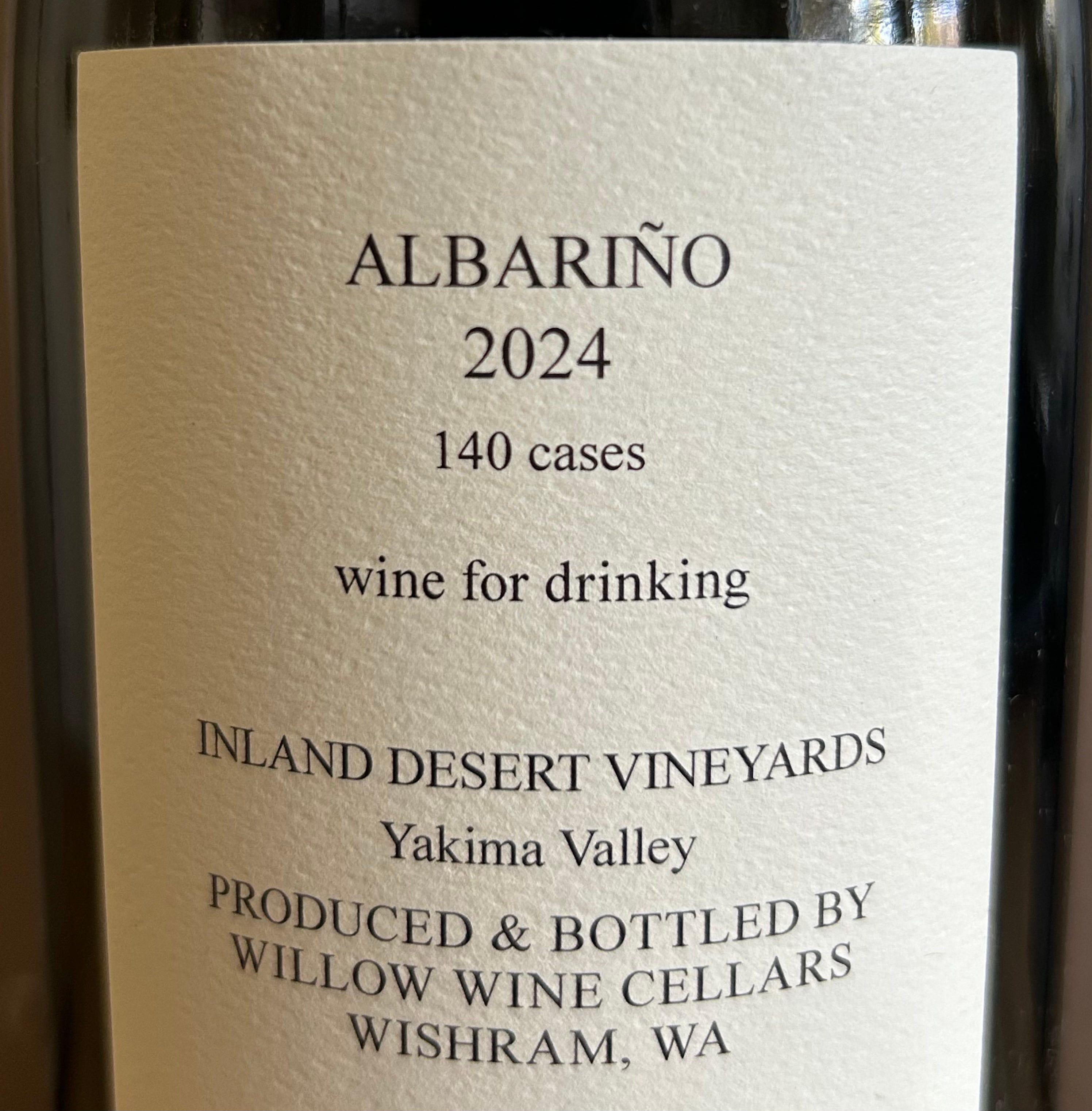
Willow 2024 Inland Desert Vineyards Albariño – Wine for drinking! Bursting with delicious fruit, a mix of peach and melon limned with citrus peel. Excellent balance and a palate-pleasing fullness. 140 cases; 13.4%; $32 (Yakima Valley) 92/100
Abacela 2025 Albariño – Lightly spicy, mineral-driven wine with fresh citrus fruit and rind. 1740 cases;; 13.8%; $22 (Umpqua Valley) 92/100
Abacela 2025 Private Selection Albariño – This reserve, fermented in barrel and tank, emphasizes mineral, citrus and ginger notes. 266 cases; 14.5%; $32 (Umpqua Valley) 93/100
Brockmeyer 2025 Otis Vineyard Albariño – An excellent location for Albariño, this keeps the acids up and adds a lick of mineral to the juicy, grapefruity citrus core. 202 cases; 13.9%; $24 (Yakima Valley) 93/100
Crayelle 2025 Albariño – Clean and fresh, just bottled, still pulling itself together. 190 cases; 13%; $29 (Ancient Lakes) 91/100
Lots of Reviews!
See last week’s post for the 00 Chardonnay notes. Here are the Pinot Noirs – in my view the best from this winery yet.
00 Wines 2023 VGR Pinot Noir – Blending Shea and Hyland vineyard fruit this is the highest production red, as the VGW is the biggest production white. Both wines open the door to experiencing this cult winery – and I use the term respectfully – at lower cost. This captures the best of both vineyards, rich and deep, with old vine texture and Shea power, all in a single wine. It cuts out a bit sooner than the other cuvées, but you’d have to be paying real close attention to feel that you’re missing anything. Berry and plum, a hint of cassis, graphite and espresso grounds, and more. 1478 cases; 13.9%; $95 (Willamette Valley) 96/100
00 Wines 2023 Shea Pinot Noir – I long ago lost track of how many outstanding Shea vineyard Pinots I’ve enjoyed over the years, made by a hall of fame-worthy gallery of the Valley’s greatest producers. And as good as these winemakers are, their best achievement is to let this special site shine through, as it almost always does. Here again is the deep, detailed blackberry and black cherry fruit, the texture and flavor of sedimentary soils, accented with pencil lead and a squeeze of lemony acid. A glass of this is an opportunity to sit and enjoy the marvelous parade of flavors, the perfect balance and generous length. 141 cases; 13.8%; $125 (Yamhill-Carlton) 97/100
00 Wines 2023 Stardance Pinot Noir – The Pommard clone, biodynamically-farmed vines yield a wine with impressive density start to finish. The tart, tightly wound cranberry, raspberry and marionberry fruit is dark in the glass and deep on the palate, with the structure and complexity that shouts “cellar me!”. Baking spices, citrus zest and wet stone minerality pile on the nuances through a long, lingering finish. This needs a few more years in bottle to completely shed its training wheels; it has a decade of further evolution after that and maybe follows with another decade of flavors holding fast. For immediate drinking you’ll want to decant it, aerate it, speak to it, let it tantalize you with the promise of things to come. 87 cases; 13.8%; $115 (Yamhill-Carlton) 97/100
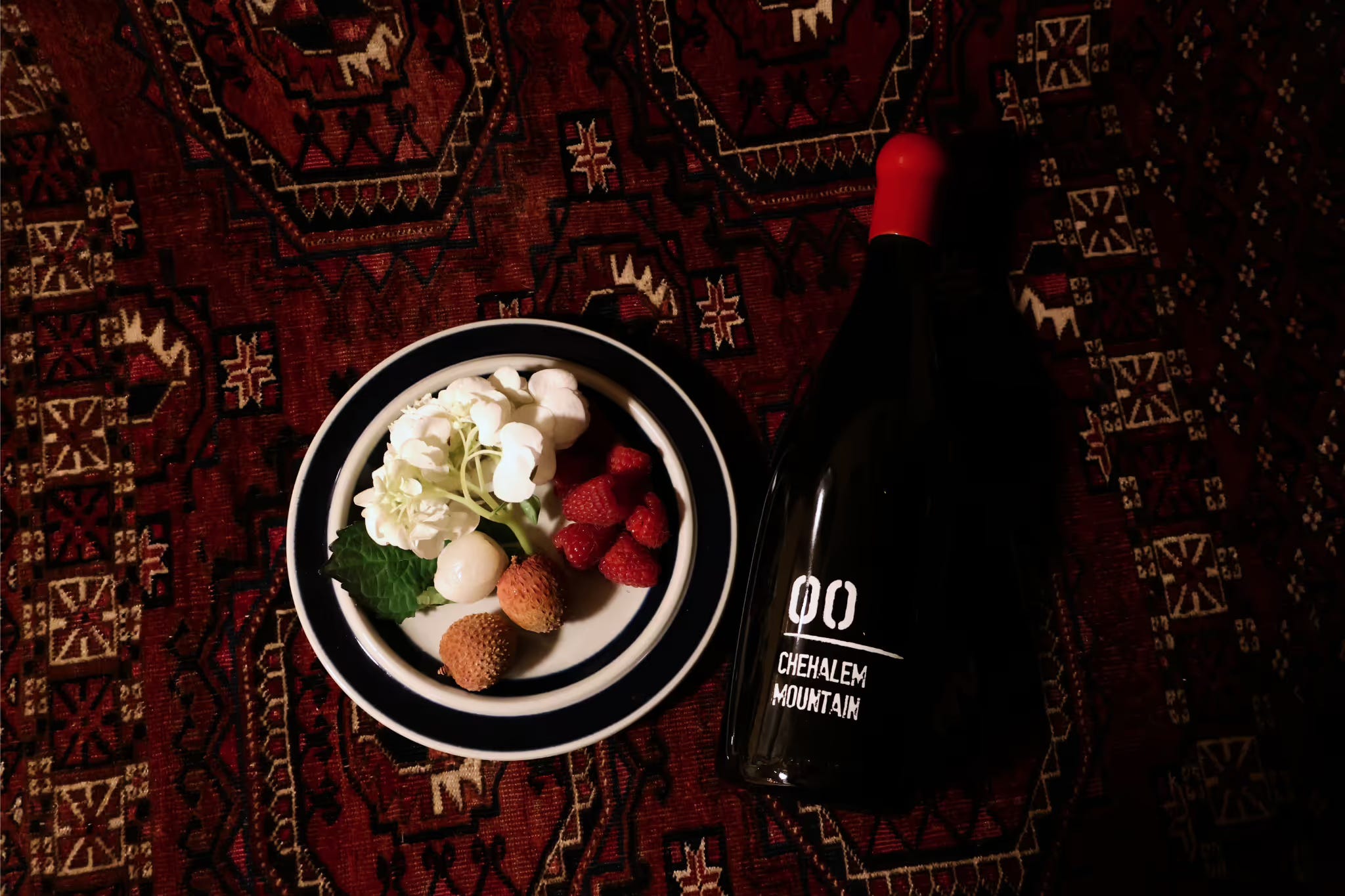
00 Wines 2023 Chehalem Mountain Pinot Noir – From vines more than a half century in the ground, this is among a tiny group of current releases from the handful of truly old vine vineyards. Elegant, textured and woven more than stacked, this offers a tapestry of flavors, starting with the citrusy acids, then moving into tart red mountain berries. It slams into a dense core with seams of baking spices, purple fruits, candied violets, dark chocolate and cold coffee. With proper aeration it moves through that hard middle into a trailing finish with a trail of sandalwood and cinnamon. 113 cases; 13.6%; $175 (Chehalem Mountains) 98/100
These are among the first releases from the Walla Walla Land Company. Cimento is pronounced ‘shih-mento’.
Imagemaker 2023 Merlot – The two Imagemaker wines are previewed here - not yet released and no pricing information available. From the Acavallo estate vineyard (formerly Pepper Bridge), aged in 50% new French oak, this 100% Merlot is still pulling itself together. First taste – clean, supple berry, cherry and plum fruit, with moderate barrel influence. Forward and appealing, with good balance. Second taste - more barrel spice, especially cinnamon, accents a well-structured Walla Walla-style Merlot. Tannins still astringent. 101 cases; 14.2%; $TBD (Walla Walla Valley) 92-93/100
Imagemaker 2023 Cabernet Sauvignon – The two Imagemaker wines are previewed here - not yet released and no pricing information available. From the Acavallo estate vineyard (formerly Pepper Bridge), the blend includes 20% Merlot. As with its companion Imagemaker Merlot, this is a solid, right down the heart of the plate Walla Walla wine – firm, concentrated, fairly tannic with a core of black fruits. It’s well-balanced, showing ample acidity. Tannins are ripe and still slightly rough, but more time will smooth that out. Re-tasted after 48 hours it’s still quite astringent, but very well-structured and flavorful with pretty barrel spices. 360 cases; 14.2%; $TBD (Walla Walla Valley) 92-93/100
Cimento 2023 Tenuta Bianca – This deeply colored white wine is a blend of 42% Picpoul, 35% Clairette Blanche, 16% Roussanne, 5% Viognier and 3% Bourboulenc. As far as I know that’s a first from the Rocks. It has a range of pastry flavors – rich and buttery, with a mix of ripe, jammy tree fruits. Put simply it’s delicious, with a long, dense, rich finish, and clearly has sufficient acidity to drink well through the rest of the decade. 112 cases; 14.2%; $95 (Rocks District) 95/100
Cimento 2022 Stone Valley (San Tommaso) Estate Vineyard Cabernet Sauvignon – This is a fruit forward example from this vineyard, with a palate-pleasing mix of red berries and savory herbs. It saw 70% new oak, which doesn’t dominate with flavor, but at the moment mutes the pretty fruit. The wine shuts down in the mid-palate. Even after 24 hours it seems as if more bottle age is needed to really show its best. What holds it back are the astringent tannins, that cut the finish short and close it down. Tasted on three separate days. 436 cases; 14.8%; $225 (Rocks District) 93/100
Cimento 2023 Orselli Estate Vineyard Grenache – Fermented in concrete and finished in mostly neutral oak, this was blended with small amounts of four other Rhône varieties. The aromatics are superb, with complexity off the charts. Broadcasting the unique scent and flavor stamp of Rocks District fruit, this has few peers. Spicy berries, a mix of red and black, along with plum and fig and raisin; a hint of saline soy, touches of chamomile, chicken stock and blood, it’s got the full throttle Rocks AVA flavor and yet keeps a sense of restraint. It’s a good trick to make a wine this delicious right at release, yet structured for much further development. 133 cases; 14.2%; $225 (Rocks District) 96/100
Cimento 2022 Orselli Estate Vineyard Syrah – Black as bull’s blood, savory and scented with a massive dose of Rocks funk, this new vineyard makes a strong statement right out of the gate. It hits the bullseye for what we have come to think of as Rocks District Syrah, deep and dark and dense. The accents run the table: dark chocolate, balsamic, black tea, cured meat, a touch of fungus and more. Beautifully structured, still fairly young vines, a great future ahead. 301 cases; 14.8%; $225 (Rocks District) 96/100
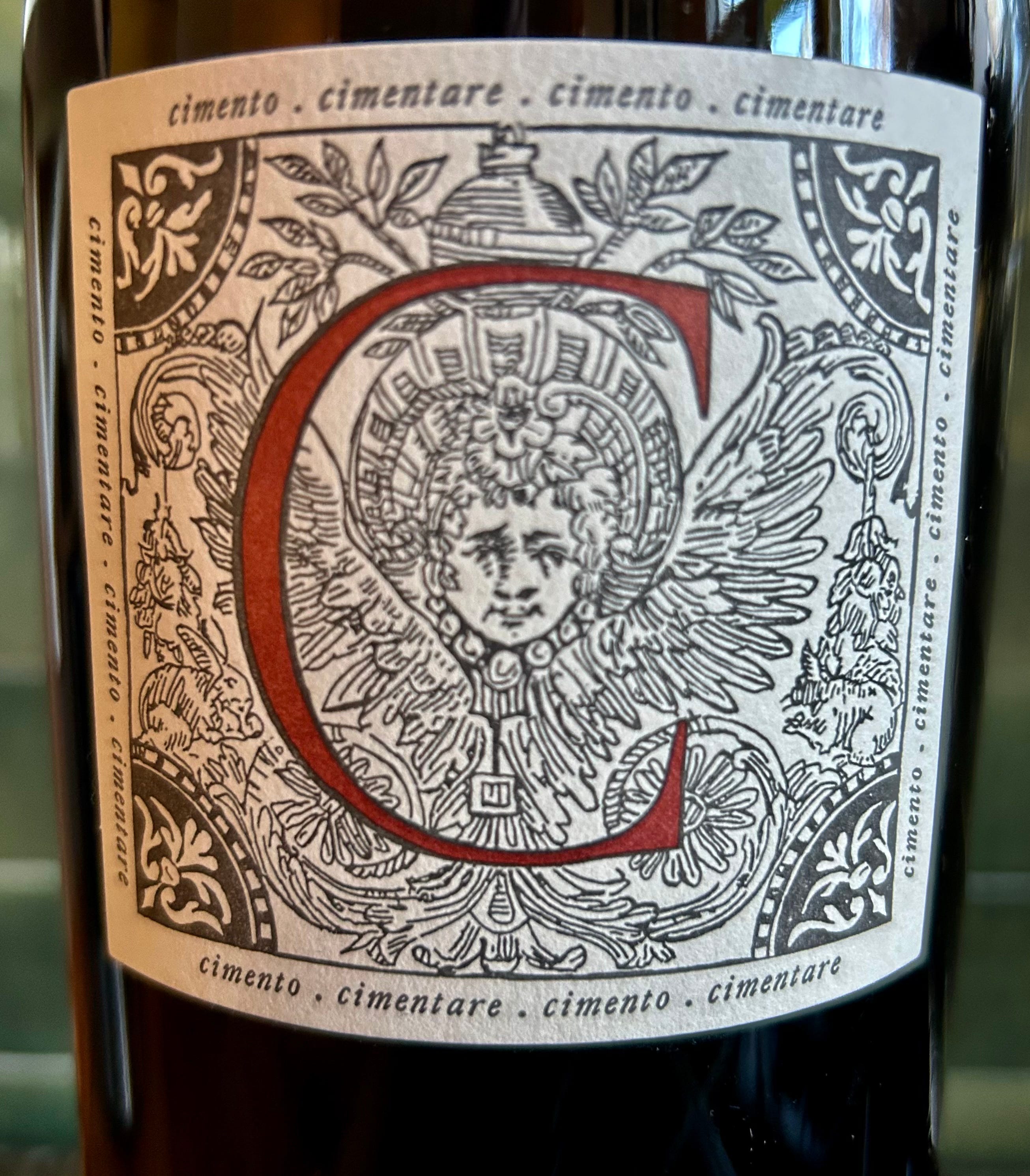
Cimento 2022 Cimentare Malbec – Bottled only in magnums, this is 100% Malbec from the Stone Valley (now re-named San Tommaso) estate vineyard. I don’t recall ever having a pure Malbec from the Rocks, so this is by its very nature iconic. Given 22 months in three quarters new French oak, it takes it, along with the substantial alcohol, in stride. Given that it’s in magnum, decanting is mandatory. Mulberry, marionberry, savory herbs and punchy citrus combine in a full-bodied red with a distinctive profile. 831 magnums; 15%; $500 (Rocks District) 95/100
Brockmeyer 2023 Los Rocosos Vineyard Grenache – About a third spent time in new French oak. Aromatic with scents and flavors of strawberry and cherry fruit, this is a pretty, fruit-driven wine with none of the funkiness found in wines from some parts of the Rocks AVA. This is reminiscent of a Crianza-style Garnacha from Spain; precise, lightly chocolatey, with primary red and black fruits buoyed with juicy acidity. 51 cases; 14.9%; $40 (Walla Walla Valley/Rocks District) 93/100
Brockmeyer 2024 Flamant Cuvée – The blend is Grenache from Sagemoor and Syrah from Francisca’s. When first opened was bottle shocked, almost impenetrable. After a full day the aromatics began poking through, and the dark fruits showed good concentration, but the flavors hit a bit of a wall mid-palate. A second bottle was opened some weeks later and was much more ready to drink. 108 cases; 15.4%; $30 (Columbia Valley) 93/100
Brockmeyer 2023 Francisca’s Vineyard Syrah – Aromatically dense and compelling, this weaves a tight mix of black fruits accented with whiffs of peat moss, fungus, black tea and pipe tobacco. Just as good as the exceptional 2022, it’s loaded with blackberry, black cherry, graphite and cassis, drilling down the palate and through the long finish. The density and length suggest that this will be a monster in another half decade. 63 cases; 14.7%; $36 (Walla Walla Valley) 95/100
This January the winery named Andrew Imboden head winemaker, succeeding Hans Van Dale (2021-2025) and Lynn Penner-Ash prior to that. Andrew will blend the 2025 vintage and take over completely with the 2026 wines.
Dusky Goose 2023 Chardonnay – Sourced from the Fennwood and Coulee vineyards, this is a rich, sappy, buttery wine with a lovely streak of butterscotch running through the ripe apple and cantaloupe melon fruit. The acids bring a wash of citrus, and taken as a whole it’s a classic example of the Chardonnay renaissance in Oregon. It’s loaded with fruit, balanced with acid, lightly nutty from barrel time (one third new), and delicious from the first sip to the last swallow. 817 cases; 13.5%; $75 (Yamhill-Carlton) 95/100
Dusky Goose 2023 Dundee Hills Pinot Noir – Young and fruit-forward, this pops right up with bright flavors of raspberry, strawberry and cherry, accented with a seam of vanilla cream. Clean and fresh, buoyed with tangy acids, this is irresistibly delicious, almost like a Grenache. As it breathes open the toasty frame from one third new oak resonates through the finish. If a riot of toasty berries is your joy, go for it and drink it lightly chilled as a perfect springtime wine. May also be cellared for a decade or longer. 1217 cases; 14%; $75 (Dundee Hills) 94/100
Dusky Goose 2023 Fennwood Vineyard Pinot Noir – Fennwood was planted in 2007 by David Adelsheim and Eugenia Keegan. The wine bursts open with clean cherry fruit, sassy acids and gentle accents of earth and underbrush. The acids bring a touch of juicy orange, and the wine trails out through a long, fresh, textured finish. 259 cases; 14.2%; $110 (Yamhill-Carlton) 93/100
Dusky Goose 2023 Weber Vineyard Pinot Noir – This is not due to be released until later this year. It’s a juicy wine loaded with raspberry, blackberry and marionberry fruit. Young and fresh and lively, it drinks like a very fine barrel sample. 100% Pommard, one third new French oak, still pulling itself together, already delicious. Every element is in proportion already, suggesting that this will be a 10-15 year wine, but with immediate appeal. 343 cases; 14.4%; $110 (Dundee Hills) 94/100
Dusky Goose 2023 Rambouillet Vineyard Pinot Noir – This is from the winery’s estate vineyard, and has been the flag-bearer for the brand through its first decade. A weave of berry, blood orange and cherry fruits, it’s balanced, lightly spicy, with a brambly berry soul. Following along you get strawberries and cream, a lick of chocolate and a spike of alcohol that calls to mind blackberry eau de vie. It’s far too soon to drink this wine, unless you have a case to put away for future enjoyment. 502 cases; 14%; $125 (Dundee Hills) 96/100
This new winery neighbors Scott Greer’s Sheridan winery and their styles are aligned. The sub-AVA officially labeled Rattlesnake Hills, unofficially known as The Hills, occupies higher ground above one of the major canals in the central Yakima Valley. Bordeaux red varieties are core strengths. The estate vineyard was first planted by the previous owner about 20 years ago; purchased by Scott Whitman and Denise Hill in 2020 and further expanded since. I found these first releases to be outstanding examples of the varieties and the AVA, with a bonus – well below market prices given the quality. All wines are from estate fruit – no grapes are purchased, and none are sold. The garage label wines are inspired by the challenge “to make a lower priced wine that actually tastes good”.
Garage 2022 Caliper Cab – The budget brand from Whitman Hill, this is all estate Cabernet Sauvignon with a small amount of Merlot in the blend. Given that all wines from this winery are 100% estate grown fruit, it’s a bit mysterious how this selection was made. Whatever the reason, it’s a stunning value. Estate-grown Cabernet Sauvignon from a well-located site, this is less fruity than the Departure, but at this price it’s a treasure. It spent 30 months in once-filled and neutral barrels, and finishes with tannic power, texture and weight. 240 cases; 13.8%; $20 (Yakima Valley) 92/100
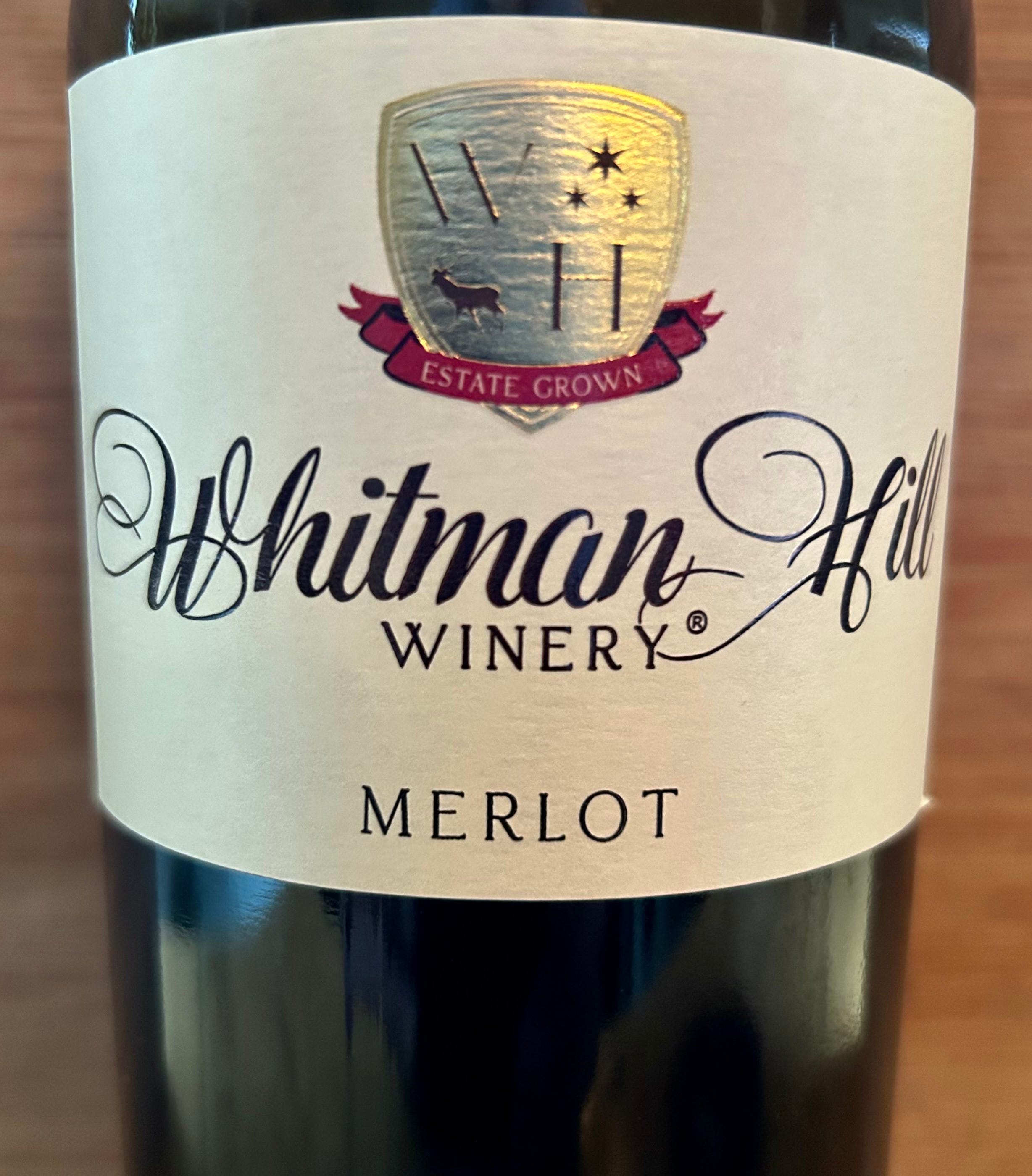
Whitman Hill 2022 Merlot – Sourced from the original vines, this is blended with 10% Cabernet Sauvignon. It’s a classy, aromatic, dark-fruited Merlot, perfectly displaying the core strengths of Washington fruit. It’s supple and rich, loaded with ripe plum and cherry fruit, streaked with even darker notes of licorice and espresso, and trailing out with highlights of barrel toast and tobacco through a firm, long, satisfying finish. This wine spent 28 months in new and once-filled oak. I frequently sing the praises of Washington Merlot, and this belongs with the best (at a bargain price). 192 cases; 13.8%; $30 (Yakima Valley) 95/100
Whitman Hill 2022 Cabernet Franc – Cab Franc is arguably the franchise grape representing vineyards in ‘The Hills’ sub-section of the Yakima Valley AVA. Classy, aromatic, rich and ripe, this complex wine catches some of the coffee accents of the grape along with balanced components of clean earth and black fruits straight down the center. Barrel aging adds accents of toast, tea and tobacco. This wine spent 30 months in new and once-filled French oak. Full-bodied, expansive, ripe and balanced; this too is a very fine value. 220 cases; 13.9%; $30 (Yakima Valley) 94/100
Whitman Hill 2021 Cabernet Sauvignon – This Cab is aromatically dense, opens with scents of pipe tobacco and bourbon tea, and rolls into a palate loaded with pretty berry and cherry fruit. From estate vines just now entering maturity, there are hints of what lies ahead – accents of sandalwood incense, texture and length. This wine spent 30 months in new and once-filled oak. The extra time in barrel comes through in the edgy tannins and the finishing accents of toast, tea and tobacco. 210 cases; 13.9%; $30 (Yakima Valley) 93/100
Whitman Hill 2021 Captain Block Cabernet Sauvignon – This is a reserve Cabernet Sauvignon, barreled for three years rather than the standard two. There’s more impactful chocolate flavor given the extra barrel time, and from the start it’s less fruity, more toasty and savory and yet still tight and compact. The finish is spun with savory herbs and supported with moderate acids; the tannins a bit thinner. As it trails out it shows touches of citrus highlights. 122 cases; 13.9%; $50 (Yakima Valley) 92/100
Whitman Hill 2022 Departure Red Wine Blend – This is the winery’s first red blend – 50% Cabernet Sauvignon, 25% each Merlot and Cab Franc. It has the richness of the other ‘22s but with more breadth across the palate. It’s a broad and open wine loaded with baking spices and pastry flavors. Think blackberry or loganberry pie and you’re on the right track. This is open, fruity and ready for drinking now. 13.9%; $50 (Yakima Valley) 94/100
Whitman Hill 2023 Syrah – This is a beautifully made, proportionate, balanced and savory Syrah. Other Yakima Valley vineyards have done excellent work with this grape, but none any better than this. Spicy, black fruited and sharp, it’s accented with graphite and stone, shows a powerful and concentrated core, leads on through a long and satisfying finish, and finally trails out with a touch of wintergreen. Truly exceptional. 14%; $30 (Yakima Valley) 96/100
I love salty, lemony Albariño. Great write-up!
Relating to Albarino. check out Amos Rome Bighorn version. Visited Abacela by chance 10 years ago and bought a bottle then.